
Share with your clients!
Summer heat can lead to serious health risks, especially for older adults. Heat stroke, dehydration and exhaustion can sneak up quickly in high temperatures. That’s why it’s so important to stay informed and take a few simple precautions. Share these wellness tips with your clients to help them enjoy the summer season, safely and comfortably.
Seniors Are More Susceptible to Heat-Related Illness
The EPA says more than 14,000 Americans have died from heat-related causes since 1979. Although this figure includes people of all ages, seniors are particularly vulnerable to heat-related illnesses. The CDC explains that older adults do not adjust as well as young people to sudden changes in temperature. Plus, they may have chronic medical conditions or take prescription medications that interfere with their ability to withstand the heat.
Heat-related illness is a serious concern, but seniors can reduce their risk by following some basic summertime wellness tips.
Learn the Signs of Heat-Related Illness
According to the National Weather Service, heat cramps in the legs and abdomen, along with heavy sweating, are often the first signs of heat-related illness. Sip water, unless you feel nauseous.
Heat exhaustion is a mild form of heat-related illness, although it may lead to more serious illness if you don’t act quickly. The symptoms include dizziness, thirst, heavy sweating, nausea, and weakness. If you experience these symptoms, move to a cooler area, loosen any tight clothing, and sip cool water. Seek medical help if your symptoms don’t improve in an hour or if you vomit.
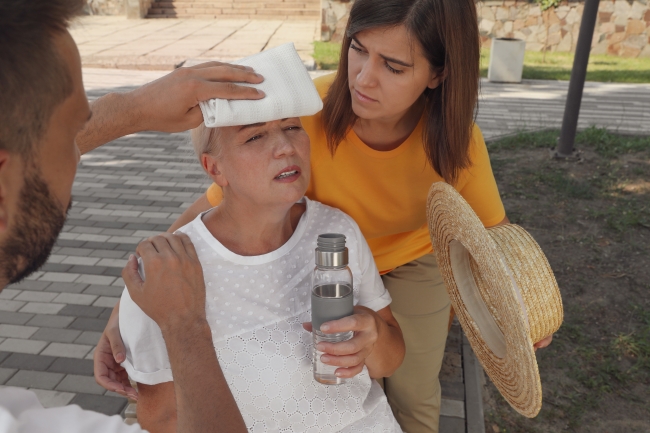
Heat stroke is a serious, potentially fatal form of heat-related illness. Symptoms include confusion, dizziness, and loss of consciousness. If you start to feel these symptoms or observe them in someone else, call 911 for emergency help. You should also move to a cooler area, loosen clothing, remove extra layers of clothing, and cool down with cool cloths or a bath.
Plan Your Day with the Heat in Mind
Planning outdoor activities for the cooler parts of the day – particularly the early morning or late evening – should help you avoid the heat. When the temperature is too hot for comfort, it’s wise to stay indoors in an air-conditioned building and to avoid strenuous activity outside. Plan meals that won’t require you to use the stove or oven.
If your home doesn’t stay cool enough, consider finding alternative places to spend hot days. Libraries, shopping malls, and movie theaters can all provide relief from the heat. Many cities also provide cooling centers.
What you wear may also make a difference. The CDC recommends wearing loose, lightweight, and light-colored clothing. If you’re outside, a hat and sunscreen will also help protect you from the harmful effects of the sun.
Stay Hydrated
Since you tend to sweat more when it’s hot, it’s important to stay hydrated. However, just drinking a lot of liquid isn’t always enough, since not all beverages are equally good at keeping you hydrated. The wrong drinks could even make your dehydration worse.
The Red Cross says you should avoid drinks that contain alcohol, caffeine, or sugar. Water is ideal – the average person needs about three-fourths of a gallon daily. If you’re sweating a lot, getting a little salt from snacks or sports drinks can help you replace the minerals you’re losing. If your urine is dark, you’re likely not drinking enough water.
Although it’s rare, it is possible to drink too much water. According to Today, a woman died after drinking four bottles of water in about 20 minutes. To avoid water intoxication, Cleveland Clinic says to avoid drinking large volumes of water (more than 32 ounces in an hour) and to stop drinking if you feel nauseous, bloated, or develop a headache. Sports drinks, fruit juice, or coconut water in moderation may help you avoid water intoxication.
Talk to Your Doctor
Yale Climate Connections warns that certain types of over-the-counter and prescription medications may interfere with sweat production, alter the body’s internal thermostat, or increase the risk of dehydration.
Seniors with chronic health conditions or those taking medications should consult their doctor about their heat risks. They may need to be extra careful about staying safe in the summertime heat.
Useful Resources
The following resources can help seniors stay safe and enjoy the summer:
- The National Weather Service’s guide to heat cramps, exhaustion, and stroke
- Maricopa County Cooling Centers
- The American Red Cross Tips for Staying Safe in the Summer Heat
You’re dedicated to supporting your clients; Western Asset Protection is dedicated to supporting you. See how we can help you grow.